Skip to content

Posts tagged ‘Bailey Green’

A Chat with Carly Chamberlain, Director of 10 CREATIVE WAYS TO DISPOSE OF YOUR CREMAINS at the 2017 Fringe

Interview by Bailey Green

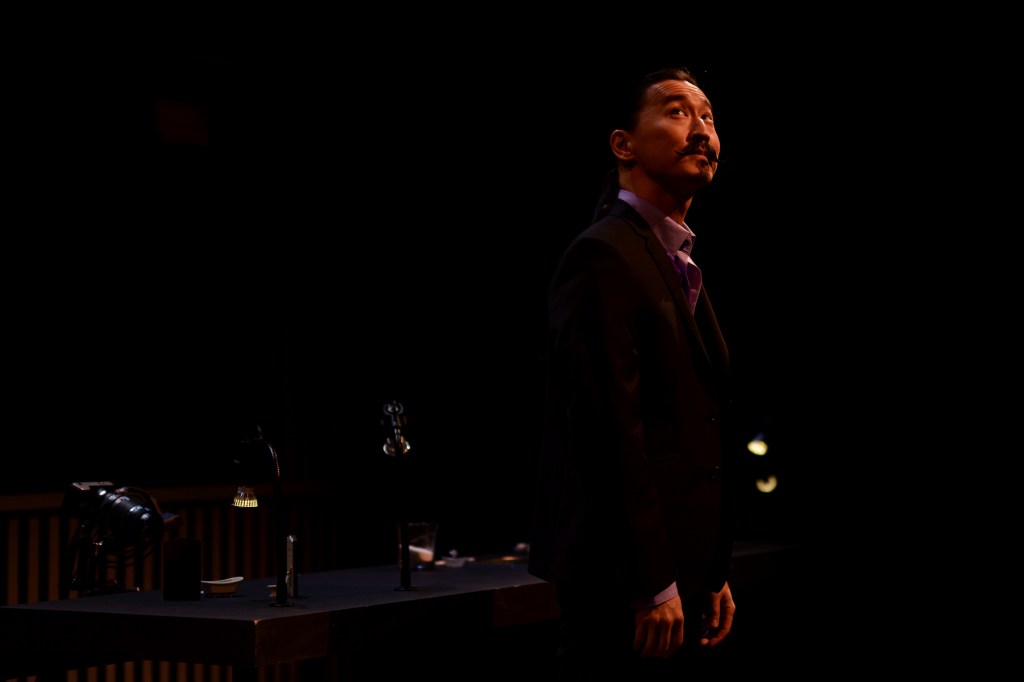
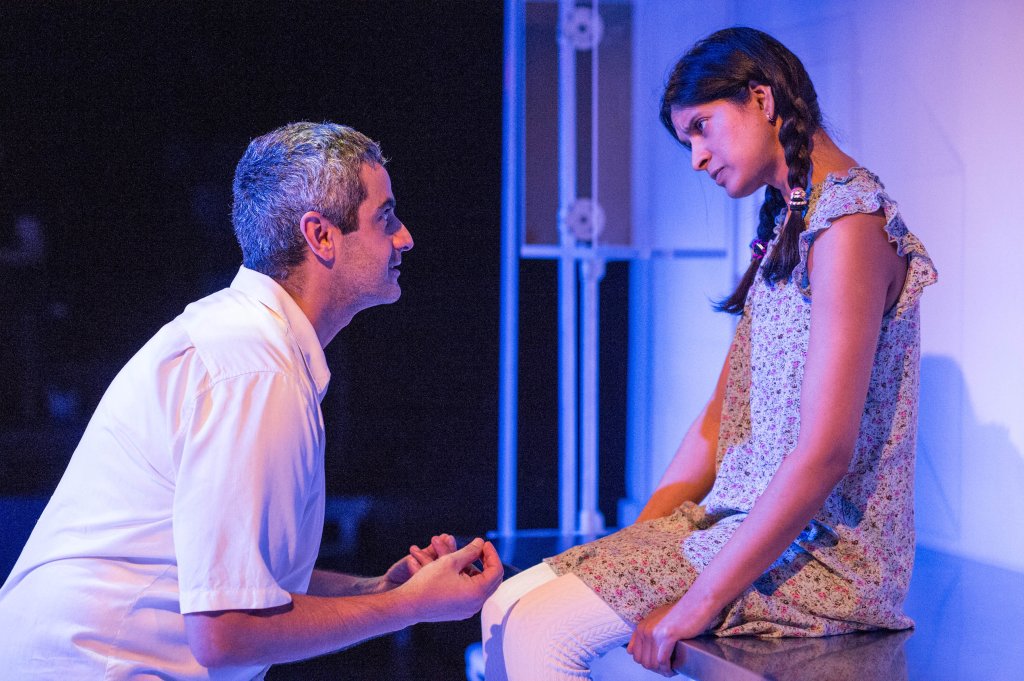
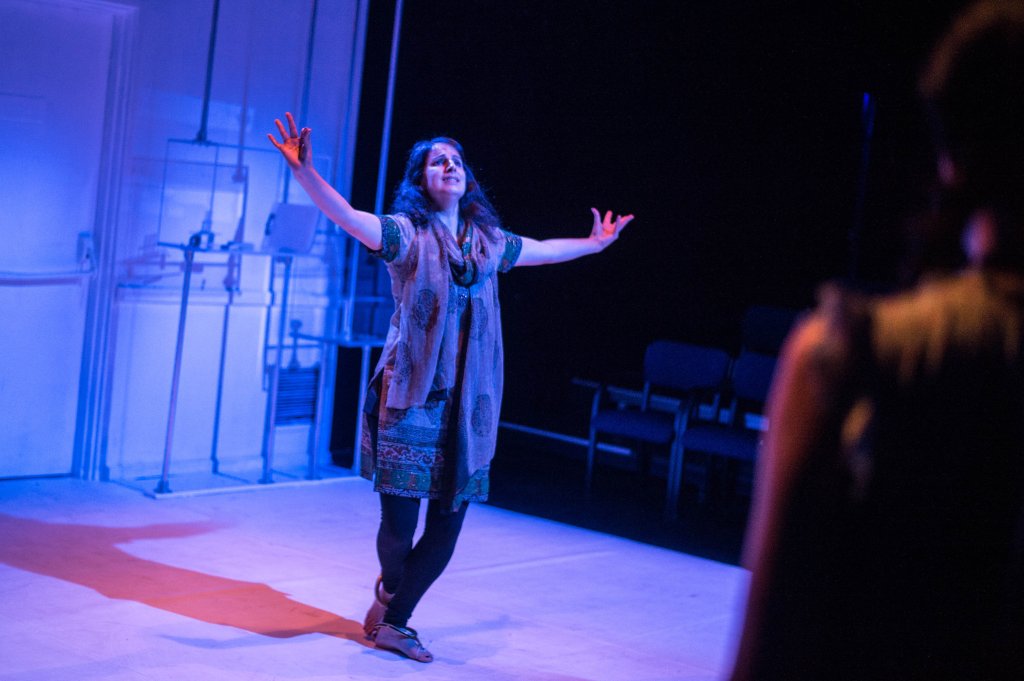
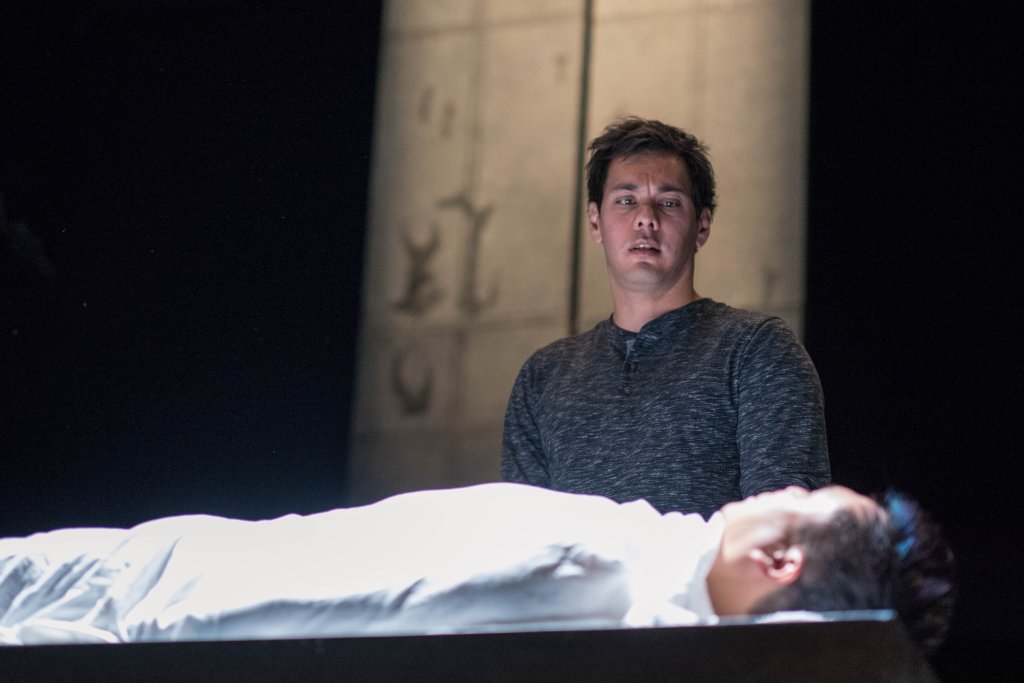
We spoke with Carly Chamberlain, artistic producer of Neoteny Theatre and director of upcoming Fringe show 10 Creative Ways to Dispose of your Cremains written by Rose Napoli. Jakob Ehman and Rose Napoli star in this two hander about millennials, emotional baggage and bed bugs.

This interview has been edited for length and clarity.

BG: Tell me about working with Rose Napoli. How did you two meet?

CC: We both went to University of Windsor in the acting program, we were one class apart and she was like an honorary member of our class. So I’ve known her for 15 years, and we were friendly but never close. When we started working together at Canadian Stage, we reconnected and really hit it off. I went away to school and during that time she had been writing and we stayed connected. When she approached me this Fall about 10 Creative Ways, it felt like the right project. We’ve known each other for a long time, so to take our relationship a new level, so to speak, has been really exciting.

BG: What drew you into the script?

CC: It’s really different from what I had worked on recently. On the surface it seems quite contemporary, colloquial and casual. The first scene is at a party, it’s about millennials, and on the surface it seems like snappy little play. But there’s a lot of anxiety and deeper issues going on under the surface. It’s a play about people who are so desperate to connect, but their baggage gets in the way and I felt like that was a familiar experience and familiar to people I know. When I read it, I felt I knew these characters. Instant connection.

BG: So where do we find these characters at the start of the play?

CC: Two people meet at a party, and they end up not really getting along, but they stumble back upon each other while they are dealing with shit in their own lives. The play takes place over 24 hours, and then an epilogue. So [we see] two seemingly mis-matched people that may have the potential for a real connection, whether that is friendship or romance. It’s not really a love story in a traditional way. It’s a Toronto story. It’s about two people trying to maybe grow up and how to do that amongst the shit of bed bugs and trying to pay rent and trying to find some meaning in what they’re doing in their lives.

R-L: Rose Napoli, Jakob Ehman

BG: So Rose also acts in 10 Creative Ways, how have you both navigated that change in roles from playwright to actor? Or is it a more fluid process?

CC: It’s a new experience and I have never directed someone in their own work. So I went in with an open mind and to see what the needs would be. The play had some workshops so we both felt confident that the script was in a good place; there were things we’d change but there wouldn’t be massive re-writes in rehearsal. It’s a fluid relationship when I’m in rehearsal with Jakob and Rose. It’s important to me when working on new work not to look to the writer in the room to answer all of our questions, you still need to investigate just the way you would with Shakespeare or Chekhov. I like plays that leave those rough edges, and now that we’re deeper in, we just jump back and forth pretty fluidly. Jakob and Rose have worked together so they have that dynamic as well and it’s a pretty open room as far as the dialogue around changing the text when it’s needed.

BG: What has been the greatest joy working on this piece?

CC: I like when I’m working with really good people and am surprised by what they come up with. They have free rein in that way. I’m working with a design team who I’ve worked with before and are people I really trust. It has been a special experience, the contributions of the whole team and a lot of my work has been in response to what everyone else is giving, I am shaping the awesome ideas of all the people in the room. Anna [Treusch] who designed the set, came to me and said ‘I can see exactly what this set is,’ and that’s not the way she usually works, usually it’s a longer, organic process. So that was so unexpected to me. And Daniel [Bennett] for sound composition, he had a really clear idea right away. So I love getting to be surprised and inspired.

BG: It seems like we’re grappling with this ‘millennial question’ in art and theatre right now, and it can be really nebulous. Could you distill 10 Creative Ways into a couple short phrases?

CC: It’s about learning how to communicate when you’re more comfortable using emojis and it’s about making a choice to let go and accept that your baggage is in the room

BG: And lastly, what are you excited to see at fringe?

CC: The Diddlin Bibbles, they are so funny and shocking and strange and I always really love so I am looking forward to seeing a full set. I’m looking forward to Lemons Lemons Lemons Lemons Lemons cause I love The Howland Company stuff but also, similarly to our piece, it has a title everyone remembers but yet still doesn’t quite know what it’s about, so I like that there’s a bit of mystery around it. And Nourishment, it’s got a couple of young creators that are doing some really interesting work, strong young women, and I’m excited about it.

10 Creative Ways to Dispose of Your Cremains

Photo Credit: Kyle Purcell

Who:
Written by Rose Napoli
Directed by Carly Chamberlain
Starring: Jakob Ehman & Rose Napoli
Producer: Nicole Myers-MitchellSet & Costume Design by Anna Treusch
Sound & Lighting Design by Daniel Bennett
Stage Management by Lucy McPhee
Production Management by David Costello
Photography & Graphic Design by Kyle Purcell

What:
Boy meets girl. Boy has broken vaporizer. Girl has bed bugs. “Ten Creative Ways to Dispose of your Cremains” is not just the longest title ever, it’s a millennial love letter to the misfits of the Peter Pan Generation.

From the writer of “Oregano”at the Storefront Theatre and the director of “Plucked” at Summerworks, comes a new old story about living on the outside. Starring Jakob Ehman and Rose Napoli.

Where:
Theatre Passe Muraille Backspace
16 Ryerson Ave.

When:
6th July – 9:30pm
8th July – 3:15pm
9th July – 8:00pm
10th July – 5:45pm
11th July – 10:15pm
13th July – 1:00pm
14th July – 8:45pm
16th July – 2:15pm

Tickets:
fringetoronto.com

Connect: 
Carly Chamberlain: @CarlyCha
Rose Napoli: @RoseNapoli1
Theatre Rhea: @TheatreRhea
Neoteny Theatre: /NeotenyTheatre
neotenytheatre.com

#CremainsTO

In Conversation with Trey Anthony, playwright of “How Black Mothers Say I Love You”

by Bailey Green

NB: Trey uses the spelling of womyn when referring to black women in her directors note, so we have respected that in this piece within her quotes.  

Trey Anthony was inspired to write How Black Mothers Say I Love You when she read The Top Five Regrets of the Dying. During that time, Anthony’s grandmother was diagnosed with terminal cancer. Anthony decided to interview her grandmother and when she asked her if she had any regrets, she said her biggest regret was leaving her children behind in Jamaica when she moved to England to seek a better life for her family. She believed that her daughter, Anthony’s mother, had never forgiven her for that decision. “The more research I did, I realized there were so many womyn who were affected by those decisions – by womyn leaving third world countries and migrating to first world countries,” Trey Anthony explains. “There was a history of a lot of Caribbean families, a sister, mother, aunt leaving and I wanted to explore what happened to these families after they reunite. No one talks about the damage being done to these families – to my mother and grandmother’s relationships.” These relationships live at the centre of How Black Mothers Say I Love You. 

beryl-bain-and-ordena-stephens-thompson-in-how-black-mothers-say-i-love-you-joseph-michael-photography

Anthony’s mother left England to live in Canada when Anthony was 9. Anthony and her brother remained behind in England, while her sister travelled to Canada with their mother. “We always had a level of distance. We struggled to connect emotionally,” Anthony says of her relationship with her mother. “And I feel it was because I was left from ages 9-12, during very formative years, that I struggled to develop that relationship. And for my sister, who was never separated from my mother, there is a closeness in their bond that my mother and I were never able to build.” Anthony discusses how her research speaking to daughters of women and women who had left brought about a new healing and a shift in her perception. Her mother became more than just a family member, but a woman who made choices to better herself. “It helped me heal from some of the anger and what I thought I missed out on. It is still a journey and it can trigger me but I am a lot more forgiving of her. The first time my mother saw the piece she broke down crying.”

allison-edwards-crewe-ordena-stephens-thompson-beryl-bain-and-khadijah-roberts-abdullah-in-how-black-mothers-say-i-love-you-joseph-michael-photography

How Black Mothers Say I Love You focuses on three daughters returning home to their mother, Daphne, after receiving news of a ‘devastating diagnosis’. The reunion forces them to confront the past. “The heartbeat of this play is really the story of these women trying to love each other,” Anthony says. The main character, Claudette (played by Khadijah Roberts-Abdullah), is the daughter who was left behind. Anthony says that creating nuance in the character of Claudette and revealing the deep feelings of abandonment behind her bitterness and anger was a challenge. “You see some forgiving and redeeming qualities instead of just a womyn who is angry at her dying mother.” 

allison-edwards-crewe-and-ordena-stephens-thompson-in-how-black-mothers-say-i-love-you-joseph-michael-photography

How Black Mothers Say I Love You has returned to Factory Theatre as part of the 16/17 season for an extended run after the show sold out last May. When asked about how the show has changed this time around, Anthony says: “having the luxury to tweak the various scenes and have some more dramaturgical work, and to have the support of a producing team, has made me able to focus more on the creatives. Having two new actors in the roles [Beryl Bain as Cloe and Khadijah Roberts-Abdullah as Claudette] has helped it have a new dynamic and energy.” Anthony also praises collaborating director Nisha Ahuja for her creativity, specifically noting her work on the transitions and making the piece more movement oriented.

ordena-stephens-thompson-khadijah-roberts-abdullah-and-allison-edwards-crewe-in-how-black-mothers-say-i-love-you-joseph-michael-photography

For Anthony, one of the greatest joys of this piece has been telling a Caribbean-rooted story in a mainstream space and to give voice to those women. “Many people who have seen this play have talked about never seeing their families onstage,” Anthony says. “And for friends who are white, they take it for granted that they can see their lives in some way in any theatre across the city and that is not a luxury that people of colour have.” How Black Mothers Say I Love You speaks across race and class, says Anthony, because at the heart of the piece is a story of a family who is trying to love and is dysfunctional in that love. “As black womyn we don’t get that opportunity to be well-rounded characters with layers,” Anthony says of wanting to focus on black women in black storytelling. “We can be the angry black womyn, or the sassy one, or the one on welfare… I want all of these womyn to go on this roller coaster of emotions and be well faceted, be loving, crying, jealous. So you can see the anger, joy and abandonment […] For me, to hire womyn who look like these womyn onstage and get to be these full characters, that’s groundbreaking and what I want to see.”

beryl-bain-ordena-stephens-thompson-khadijah-roberts-abdullah-and-allison-edwards-crewe-in-how-black-mothers-say-i-love-you-joseph-michael-photography

How Black Mothers Say I Love You

1617_hbmsily_950x200

Who:
A Trey Anthony and Girls in Bow Ties Production
Presented by Factory Theatre
Written by Trey Anthony

What:
A devastating diagnosis brings Daphne’s daughters home where they are forced to confront a traumatic six year separation in their past and their individual quests for love, reconciliation, and forgiveness. How Black Mothers Say I Love You is a poignant and hilarious examination of our desire for truth and understanding from what has been left unsaid. Featuring an original score by Juno Award-winning composer Gavin Bradley and a thought provoking and deeply personal script from ‘da Kink in my Hair creator Trey Anthony, How Black Mothers Say I Love You returns to Factory after being the hottest ticket in town last May.

Where:
Factory Theatre Mainspace
125 Bathurst St.

When: 
February 9 – March 5

Tickets:
factorytheatre.ca


“Legacy, Purpose & The Act of Listening” – In Conversation with Tetsuro Shigematsu, playwright and performer of EMPIRE OF THE SON

by Bailey Green

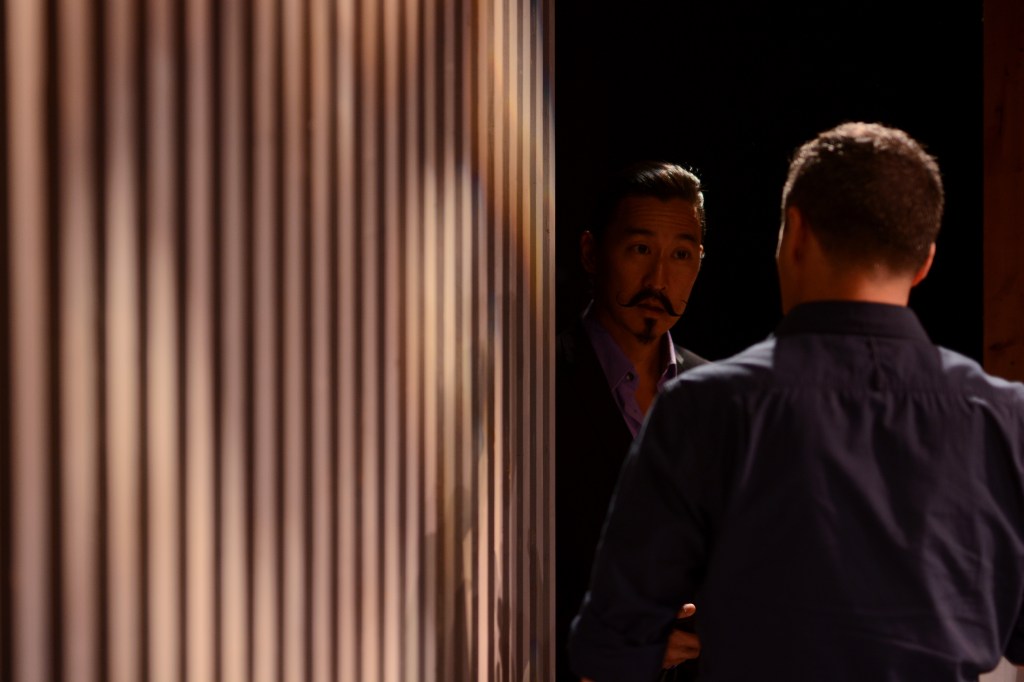
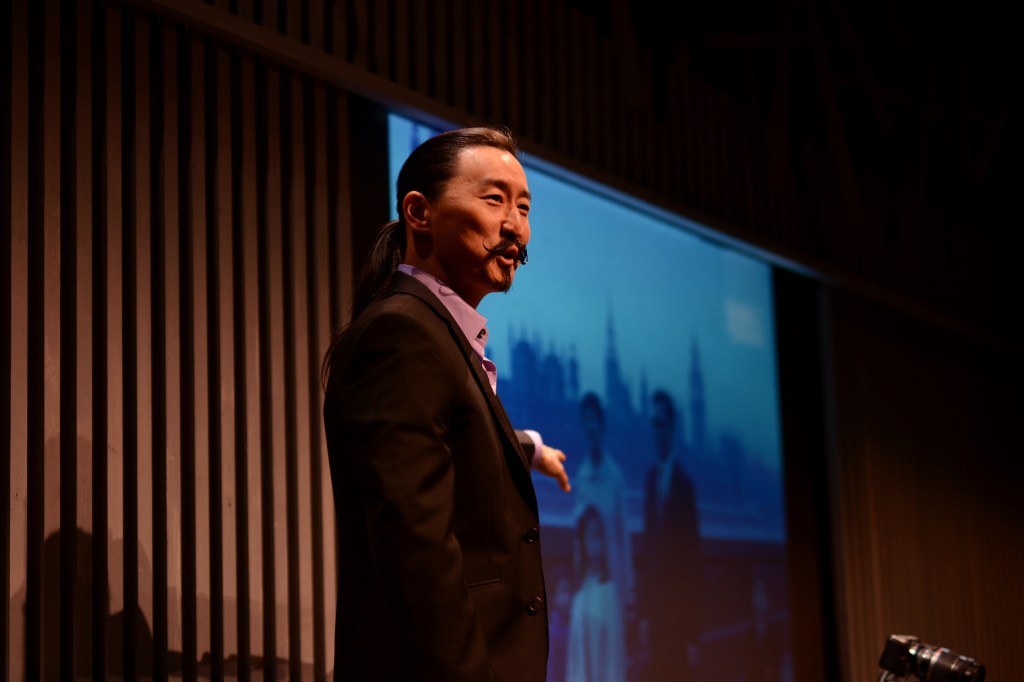
Growing up, Tetsuro Shigematsu and his father Akira Shigematsu did not communicate beyond requests to pass condiments at the dinner table. In the early 90’s in Montreal, Tetsuro approached their distant relationship in a piece called Rising Son. “It was a very small show that very few people saw. But an excerpt of it was played on the radio and that was a sort of catalyst that pulled me out of theatre and into these different career directions,” Tetsuro references the beginning of his career in broadcasting. In the following years, Tetsuro became host of CBC Radio’s The Roundup, fought Vikings on the reality show Deadliest Warrior and worked as a writer for This Hour has 22 Minutes.

When Tetsuro became a father to daughter Mika (13) and son Taizo (9), he began to consider what legacy he would pass on to his own children. “Now that I have kids, [I knew] they were going to start asking questions about who they are and where they came from,” Tetsuro says. “So when my father’s health began to falter, for my kids’ sake I knew it was now or never that I had to ask questions and get his stories.”

tetsuro-shigematsu-in-empire-of-the-son_-photo-raymond-shum-28

Photo Credit: Raymond Shum

Akira Shigematsu had worked as a broadcaster for the BBC. When Tetsuro placed the microphone in front of Akira, the familiar format unlocked years of silence between father and son. Throughout the interviews, Akira never asked why his son was interviewing him and for what purpose. Near the end of the process, Tetsuro asked his father’s permission to use the material. Without permission, Tetsuro would have no research for his PhD and no material for his show. “I asked him, “Have you ever wondered why I have been interviewing you all this time? Well I would like to share your story.” He was quite mystified because it was so counter-intuitive to him that others might find his story interesting,” Tetsuro says. When Rising Son was being performed, Akira began to tell people that his son made fun of his father’s accent for a living. This was one of the reasons Tetsuro stopped performing the piece and so he wondered about what made Empire of the Son different. “He gave me his permission. He said yes right away. When I asked him why he was ok with it, he said “If you tell my story, my life will have some meaning.” That was a big surprise to me. This process was to find meaning in my own life but this whole endeavour would lend meaning to his.” 

tetsuro-shigematsu-in-empire-of-the-son_-photo-raymond-shum7

Photo Credit: Raymond Shum

Tetsuro describes Empire of the Son as a “homecoming for me and my father. Empire of the Son revisits these relationships [seen in Rising Son], but now that I’m a father, it explores my tempestuous relationship with my Japanese Canadian father and his relationship with his father… It spans four generations and the continuum of that.” When Tetsuro was still searching for the form for the show, he heard a quote from a personal hero of his, Robert LePage, about how radio is the most visual of mediums. “I began to think about how I can deepen the experience of listening,” Tetsuro says. “What is it about campfire stories that are so engrossing? Ghost stories are just variations of urban legends, but people become entranced by the rhythm of the dancing flames, or for myself the embers, so I wanted a visual equivalent for a theatre audience.”

tetsuro-shigematsu-in-empire-of-the-son_-photo-raymond-shum-27

tetsuro-shigematsu-in-empire-of-the-son_-photo-raymond-shum17

Photos by Raymond Shum

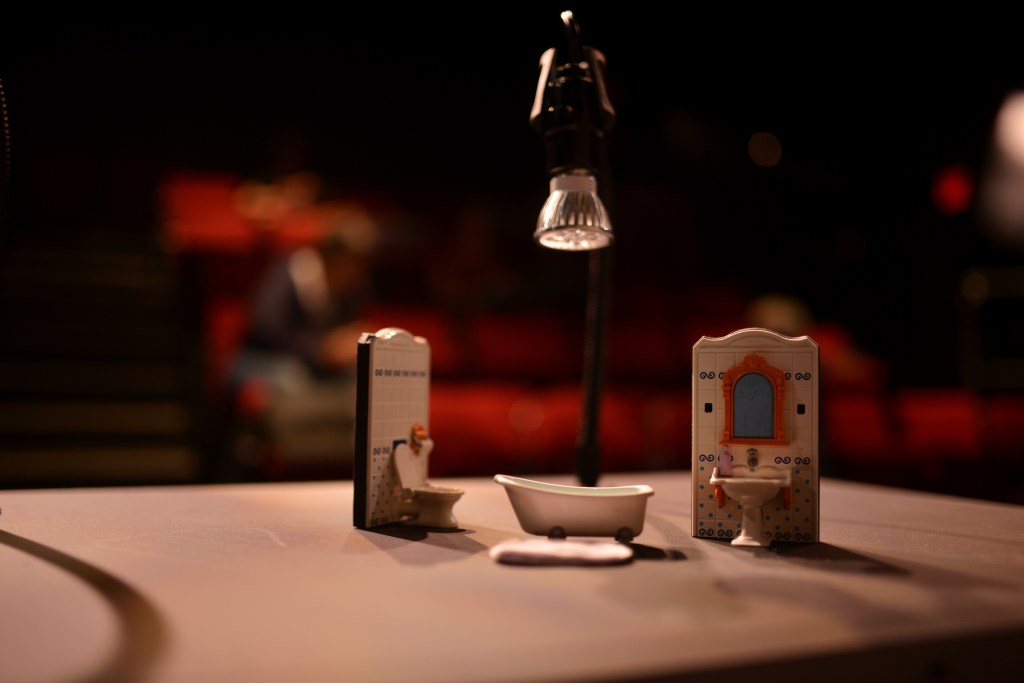
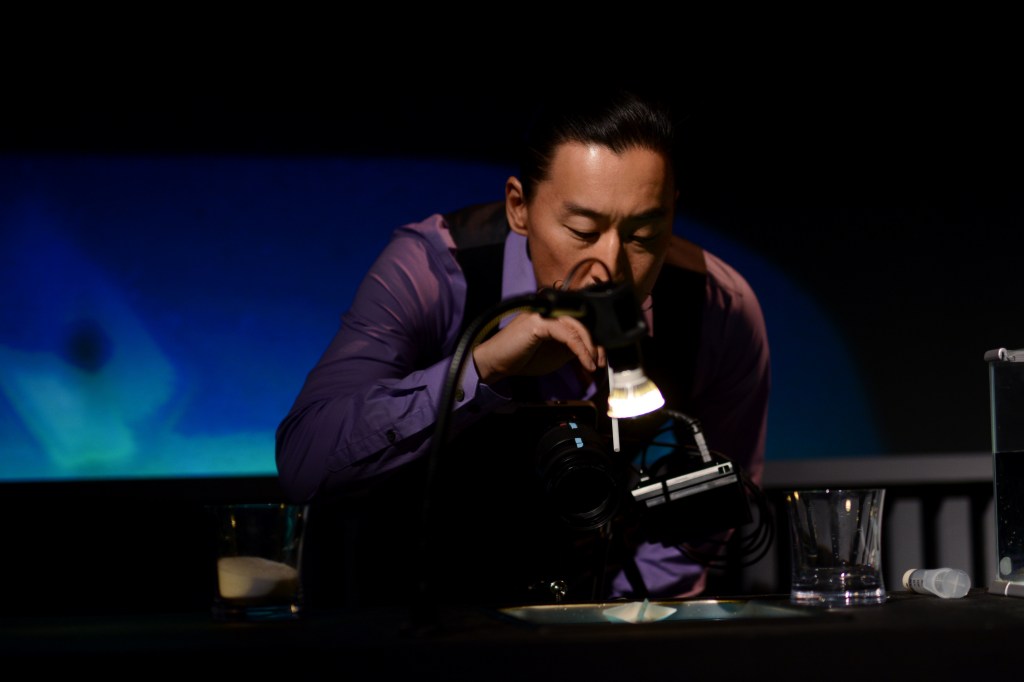
Empire of the Son has several silent sequences with visuals of miniatures projected above Tetsuro. “During the silent parts there is just time for the audience to think about their own memories and experiences – It’s a moment for them to stare into the fire, so to speak. This is a story about a Japanese Canadian father and his Canadian son, but in fact, the uncanny effect that is achieved is an explosion of memories in people’s own minds. They gave me all the credit, when I am just lighting the wick, so to speak.”

tetsuro-shigematsu-in-empire-of-the-son_-photo-raymond-shum20

Photo Credit: Raymond Shum

In the fall of 2015, Akira Shigematsu passed away. He died a few weeks before Empire of the Son opened at The Cultch in Vancouver. “When my father died, my whole family was there. My sisters cried and I didn’t. I wanted to investigate that and if I tell stories that are hard for me, I can hopefully break up the ice in my heart and when my father’s funeral comes one day I will be a little bit more complete.” Now, a year later, Tetsuro describes a stronger connection to his father’s memories, “With the passage of time I feel more mindful and present in the moment and open to connecting with my father onstage.”

Photo Credit: Raymond Shum

Photo Credit: Raymond Shum

Taizo and Mika, the fourth generation referenced in the show, have seen Empire of the Son and have “mixed feelings about seeing their lives on stage.” In the play they are referred to as 8 and 12 years old. When they are in the audience, they heckle Tetsuro about their updated ages (9 and 13). “My son points out that compared to other artists I am profoundly uncreative because I use my own life,” Tetsuro laughs. “It’s surreal for an audience because sometimes when the interactions begin they don’t know if it is real or staged and the line between art and life becomes blurry. I’ve made this commitment to not inventing anything, so when my mother or sisters or children attend, I acknowledge their presence either through eye contact or directly speaking to them.”

To artists at the beginning of their careers, Tetsuro encourages them to be prepared for a life of uncertainty. “If you can deal with that, it’ll be ok. If being creative and making art is something that truly makes you happy, then focus on those internal values and you’ll maintain a sense of integrity or wholeness about what you believe in.”

EMPIRE OF THE SON

1617_eots_950x200

Who:
Written by Tetsuro Shigematsu | Directed by Richard Wolfe
Starring Tetsuro Shigematsu
Set design by Pam Johnson | Costume design by Barbara Clayden
Lighting design by Gerald King | Sound design by Steve Charles
Documentary audio by Yoshiko & Akira Shigematsu
Produced by Donna Yamamoto
A Vancouver Asian Canadian Theatre Production

What:
From the ashes of Hiroshima to swinging 1960s London, EMPIRE OF THE SON tells the dynamic story of Shigematsu and his emotionally distant and stoic father, Akira, also a former public broadcaster. A compelling father and son story, EMPIRE OF THE SON is also the story of three generations of a Japanese family separated by language, culture and history.

Told through a blend of dramatic storytelling, family video footage, archival audio from Akira’s CBC interviews, recordings of phone calls between father and son, and intriguing miniature worlds projected on a screen, EMPIRE OF THE SON is a deeply thoughtful portrayal of parent/child relationships.

Where:

Factory Studio Theatre, 125 Bathurst Street

When:
January 18 – 29, 2017
Tuesday – Saturday @ 8pm, Sunday @ 2pm, Saturday, January 28 @ 2pm & 8pm

Tickets:
Ticket prices range from $25-$35
Student, Arts Worker and Senior Prices also available
In Person: Factory, 125 Bathurst Street,
Online: factorytheatre.ca
By Phone: 416.504.9971

Connect:
@tweetsuro
@FactoryToronto • FB/FactoryTheatreTO/
@vact FB/vact1  www.vact.ca
#beyond1617 #empireoftheson

In Conversation with Dr. Suvendrini Lena, playwright of “The Enchanted Loom”

by Bailey Green

The story of The Enchanted Loom, written by Dr. Suvendrini Lena, begins in Toronto, where demonstrations against the Sri Lankan civil war have taken over the Gardiner expressway. The protests take place during the final weeks of the war and trigger memories of trauma for a Tamil family. The family had come to Canada to escape the violence in Sri Lanka. The father, Thangan, was imprisoned and tortured during the war. He struggles to cope with epilepsy brought on by scars in his head from the beatings he endured. As Thangan’s seizures worsen, his family begins to unravel. In order to have a chance to heal, Thangan must decide whether to undergo a surgery that would cut out his scars but could erase pieces of his memory. One memory in particular, a memory of his oldest son who died during the war, Thangan doesn’t know if he can bear to lose. “The surgery is a metaphor for how societies and communities can move through trauma, will it fix things or won’t it? How deeply are these traumas embedded in us and in our communities?” says Dr. Suvendrini Lena, neurologist and playwright of The Enchanted Loom, produced by Factory Theatre and Cahoots Theatre, on stage now to November 27th.

Photo by Dahlia Katz

Photo by Dahlia Katz

The Enchanted Loom is the product of years of hard work that took place while Dr. Lena worked full-time as a neurologist and raised her child as a single mother. The play was first developed as a research project about epilepsy. Subsequently, the play has grown to explore the dynamics of family. “I chose epilepsy because seizures are a huge disruption of consciousness. It arrests everything and you don’t know what is going to happen next,” Dr. Lena explains. “There’s a potential of being paralyzed so you’re very vulnerable. And that is what happens in war, the kind of disruptions and the way daily life becomes unlivable.” The play focuses on the question of whether or not Thangan will chose to have a surgery that Dr. Lena describes as a unique procedure: “The patients are often awake so that when the parts of the brain are being removed the doctors can preserve everything around them, as much as possible. It is one of the penultimate scenes, this awake craniotomy, and it is very evocative – you can see consciousness right in front of you.”

Photo by Dahlia Katz

Photo by Dahlia Katz

Working on her first play has helped illuminate Dr. Lena’s work at CAMH. “I have learned a huge amount from watching the actors play these characters,” Dr Lena says. “The family life [in the play] is structured by [Thangan’s] illness and every aspect is affected[…] I teach a course on theatre and medicine to medical residents and I do that because theatre allows us to inhabit alternate lives. As doctors you need to be in a patient’s position and understand what that means.”

Photo by Dahlia Katz

Photo by Dahlia Katz

The play’s title is drawn from a quote written by pioneer neurophysiologist Charles Sherrington. Sherrington used ‘the enchanted loom’ as a metaphor for the mystery of the brain. “Memory, to me, is this intricate fabric that is being reworked by everything that happens. It is the key to the future but is constantly changing, being influenced by what other people remember and by the present,” Dr. Lena says. “The whole play is about the family’s memory of trauma and how it informs their future and the difficulty of remembering traumatic things but also the necessity to remember them in order to heal from them.”

Photo by Dahlia Katz

Photo by Dahlia Katz

Marjorie Chan, Artistic Director of Cahoots Theatre, is the director of The Enchanted Loom. Dr. Lena expresses her gratitude and admiration for Chan’s patience and expertise: “I don’t have a playwright’s training, but she championed this play with 6 actors and poetic medical language and has woven it together in this beautiful way. I couldn’t be in better hands. It has been spectacular, like nothing else.”

Photo by Dahlia Katz

Photo by Dahlia Katz

For Dr. Lena, the greatest joy of working on this play may be seeing it on stage now during its run, when the play has come together fully. “It has been so meaningful to know this is a story worth telling,” says Dr. Lena. “Epilepsy is a stigmatized illness and a difficult illness. To have people take risks to portray it and the Sri Lankan story…to remember what happened and how the future could be different… it’s quite something to see it fully realized on stage at Factory.”

Photo by Dahlia Katz

Photo by Dahlia Katz

The Enchanted Loom

1617_tel_logo2_950x200

Who:
Written by Suvendrini Lena
Directed by Marjorie Chan
A Cahoots Theatre production in association with Factory Theatre

What:
The Sri Lankan civil war has left many scars on Thangan and his family, most noticeably the loss of his eldest son and crippling epileptic seizures brought on by his torture during the war. As the final days of the war play out; the family watches from Toronto, where a neurological procedure provides them with a chance to heal. This poetic play, part medical, part mystical is a harrowing tale of loss and hope that reminds us of the joys and pain of unconditional love for family, and freedom.

ASL Interpreted Performance, followed by a Post-Show Q&A, Sunday, November 20

Where:
Factory Theatre Studio Theatre
125 Bathurst St.
Toronto

When:
November 10-27, 2016

Tickets:
factorytheatre.ca

Connect:
Factory Theatre –
w: factorytheatre.ca
fb: /FactoryTheatreTO
t: @factorytoronto
Cahoots Theatre –
w: cahoots.ca
fb: /CahootsTheatre
t: @cahootstheatre
ig: @cahootstheatre

#enchantedloom


In Conversation with Nina Lee Aquino on Directing “acquiesce” & 15 Years of Collaborating with Playwright/Actor David Yee

Interview by Bailey Green

acquiesce, directed by Nina Lee Aquino and written by David Yee, kicked off Factory Theatre’s 2016/17 season “Beyond the Great White North”. The play marks Yee and Aquino’s 15 year anniversary of collaboration. Yee wrote acquiesce 15 years ago as part of the playwrights lab at Factory. Aquino was invited to a private reading of the play with dramaturge Brian Quirt. “In our hearts of hearts we knew we would come back [to acquiesce],” Aquino says. “But other works were getting first in line. Looking back there was a good reason for that, I don’t think David could have finished it before and I don’t think I could have directed it, being the director I was then.” acquiesce was rediscovered when dramaturge Iris Turcott found a draft tucked behind a filing cabinet at Factory. Turcott called Yee, gave him two notes and told him it was time to work on the play again. “It has always been one of my favourite unfinished plays of David’s,” Aquino says.

Photo of David Yee by Dahlia Katz

Photo of David Yee by Dahlia Katz

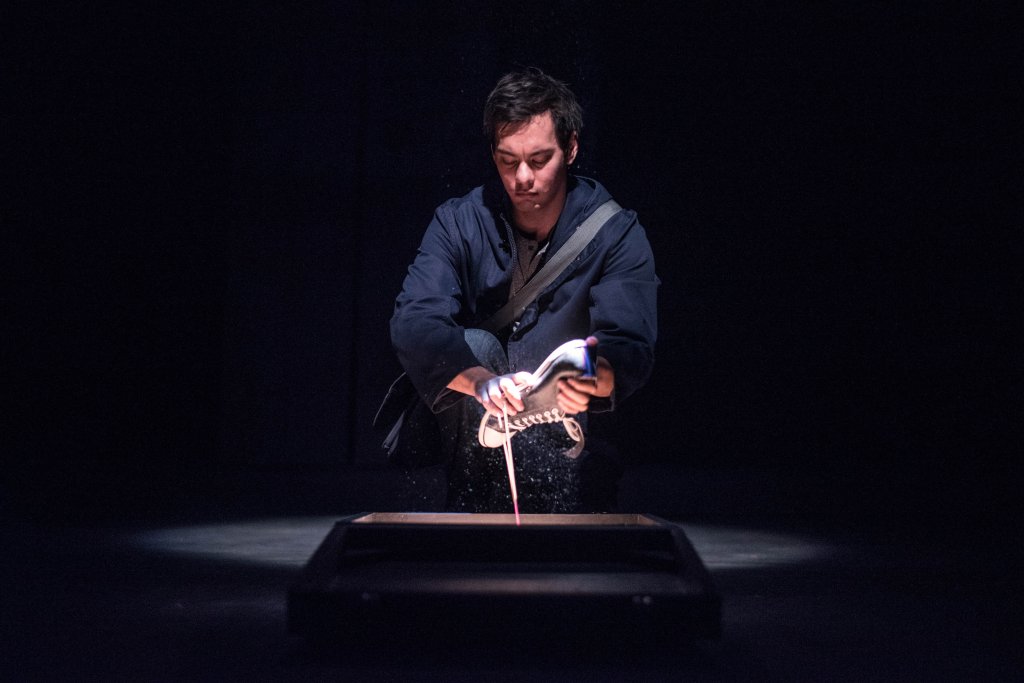
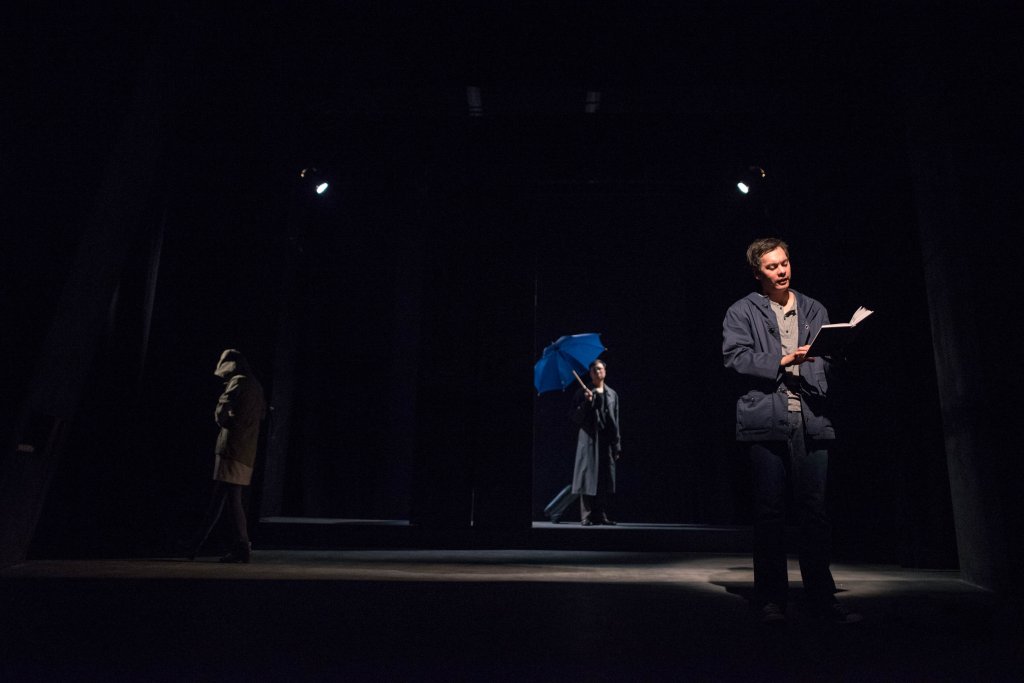
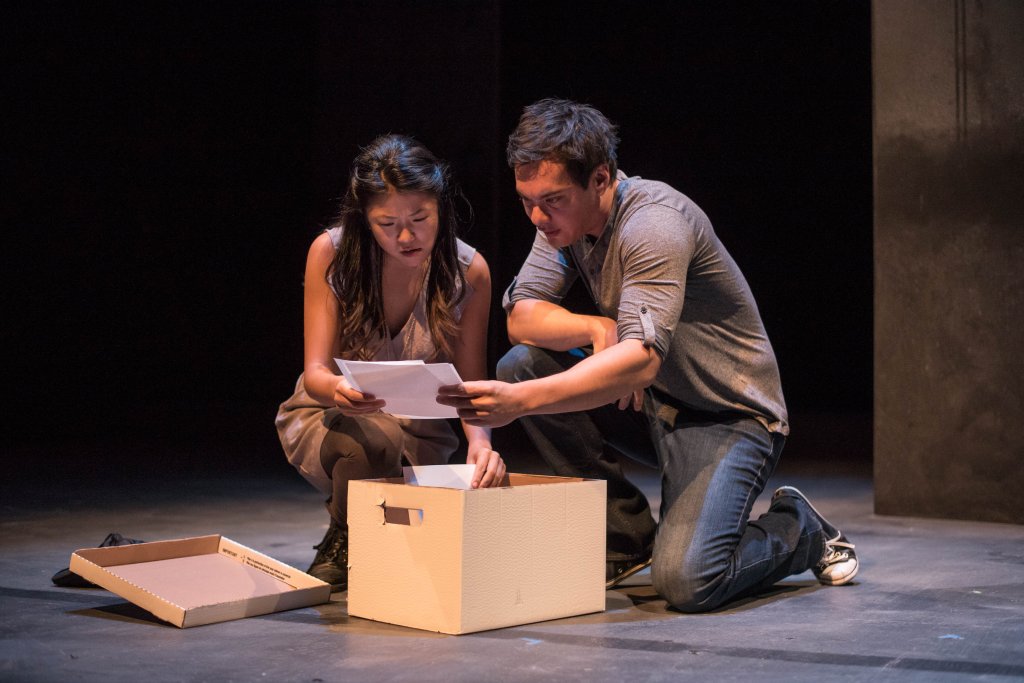
acquiesce tells the story of Sin Hwang, a novelist who receives news that his father has died. As per his father’s instructions, he embarks on a journey to bury his father. “He discovers secrets about himself, about his father and family history that have been brewing underneath,” Aquino says. “He gets to confront that grief and rage and not get to forgiveness but an acceptance of knowing one can correct the cycle of violence and let go of that baggage.”

Photo of David Yee by Dahlia Katz

Photo of David Yee by Dahlia Katz

Aquino and Yee’s shared values have been a core element to their artistic partnership. Aquino has been director and dramaturge for all of Yee’s plays. “We’re here to fight, to say something, to give hope,” Aquino says. “We are despairing of the world at times but through theatre we feel like we’re doing something about it. The kinds of plays I tackle as a director reflect that.”

Photo of David Yee by Dahlia Katz

Photo of David Yee by Dahlia Katz

Aquino speaks of how individual growth as artists has brought herself and Yee to the right time and place to tackle acquiesce. The more personal David gets with his work, the more personal I get with mine,” Aquino says. “It makes it more harrowing. Now being a mom and AD of this company is very different and I bring that experience to the table.” In 2015, Yee won the Governor General’s Literary Award for Drama with his play carried away on the crest of a wave (directed and dramaturged by Aquino). Aquino was the Founding Artistic Director of fu-gen theatre in 2002 (Yee is the current Artistic Director) and Artistic Director of Cahoots Theatre in 2009. In June 2012, Aquino became co-artistic director of Factory Theatre with Nigel Shawn Williams, and in the Fall of 2014, Aquino was appointed sole Artistic Director of Factory Theatre.

When asked about how working on acquiesce compares to working on Yee’s other plays, Aquino says that acquiesce has been a very personal process. “An Aquino/Yee work has a social justice to it, an activist voice in it, a revolutionary,” Aquino says. “But [with acquiesce] the social justice is subtle, the angle is different. It’s in a very personal container, which is family, where the heart of an activist is born. It is the hardest Yee work that I have tackled because it is quite personal. acquiesce comes in whispers, the complexity comes in quiet ways.”

Photo of John Ng & David Yee by Dahlia Katz

Photo of John Ng & David Yee by Dahlia Katz

The mutual respect and admiration that Aquino and Yee share is evident, as Aquino calls Yee her “most favourite playwright in the universe.” Aquino says working with Yee always challenges her as a director to grow and discover how to bring the play to life. “I never take his work for granted,” Aquino says. “He challenges me through his work, so what world do I build around the world he has built and how will that coalesce. David writes plays that are yummy for a director, if you’re the kind of director that thrives on imagination. David is magic, so how do you put the magic on stage?”

Photo of Rosie Simon & David Yee by Dahlia Katz

Photo of Rosie Simon & David Yee by Dahlia Katz

Yee takes the stage in acquiesce to play the role of Sin Hwang. Yee hasn’t acted in his own work since Paper SERIES at Summerworks in 2012. “This is the first time he’s accepted to play a role in his own play,” Aquino says. “I’ve depended on him for so much as a playwright in the past. During tech he’s a second eye, so this year will be a bit lonely! On opening who is the one person who will sit beside me? I won’t be able to crush his hand, because he’ll be onstage! There are things about it that I miss, but I don’t see anyone else playing that role.”

acquiesce

by David Yee

1617_a_logo_950x200

Who:
Written by David Yee
Directed by Nina Lee Aquino
Co-produced with fu-GEN Asian Canadian Theatre Company
For full cast & creative team, visit the Factory Theatre website.

What:
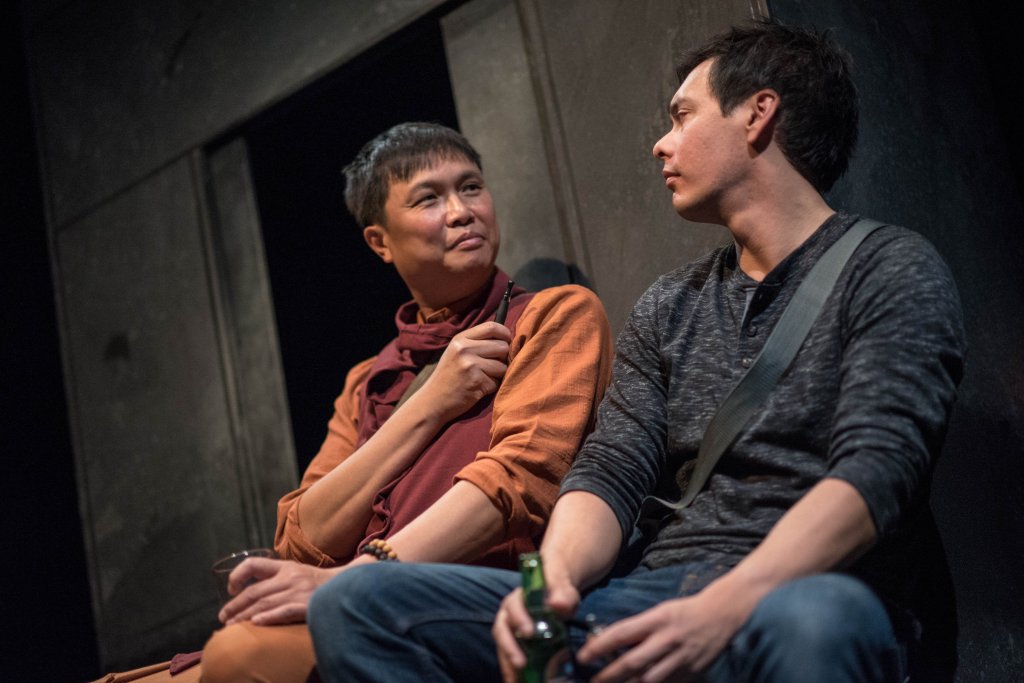
Plagued by the success of his first book and haunted by his past, Sin Hwang arrives in Hong Kong with some unusual cargo and a lot of emotional baggage. Featuring a surreal cast of characters, from a foul-mouthed Paddington Bear to a wisecracking Buddhist monk, this sharply comedic and heartbreakingly poignant tale of self, familial and spiritual discovery reflects the cycles from which we must all break free as we find our way.

Where:
Factory Theatre Mainspace
125 Bathurst Street

When:
November 3-27, 2016

Tickets:
factorytheatre.ca

Connect:
w: factorytheatre.ca
fb: /FactoryTheatreTO
t: @factorytoronto